

The development cycle of World of Warcraft expansions has historically been defined by rigid two-year release schedules, resulting in predictable patterns of extensive ‘crunch’ periods and rushed content releases. This analysis examines the functional consequences of adhering to such strict temporal constraints, evaluating the impact on final product quality and the long-term justification for maintaining a rapid expansion pace. We quantify this phenomenon based on Content Delivery Consistency Metrics and Internal Staff Health Indices (as inferred from public data).
This report quantifies the justification for rapid expansion cycles based on Content Delivery Consistency Metrics and Internal Staff Health Indices.
Evaluation Criteria: Content Delivery Consistency Metric, Internal Staff Health Index, and Post-Launch Deficit Score
WoW’s development cycles are evaluated using three weighted criteria. First, Content Delivery Consistency Metric measures the reliability of promised features appearing fully polished at launch (low score indicates cuts or half-finished systems).

Second, Internal Staff Health Index (inferred) tracks the prevalence of public reports concerning mandatory overtime and burnout, indicating unsustainable development practices. Third, Post-Launch Deficit Score assesses the amount of mandatory patching and feature implementation required immediately following the official launch. Low Consistency justifies extending the cycle.
The Two-Year Constraint: High Deficit, Low Consistency
The insistence on a two-year development cycle for major expansions has consistently led to a low Content Delivery Consistency Metric and a high Post-Launch Deficit Score. Expansions like Warlords of Draenor and Shadowlands launched with significant, game-defining systems (Garrisons, Covenants) that were either underdeveloped or hastily implemented, requiring extensive rework in subsequent patches. The justification for this speed is purely financial (maximizing subscription time), but the cost is functional instability at launch.
The Cost of Crunch: Internal Staff Health Index
The accelerated schedule directly correlates with a historically low Internal Staff Health Index, characterized by mandatory crunch periods, high turnover, and reports of unsustainable work environments.

This is a critical factor because staff burnout directly impacts long-term Content Delivery Consistency. A system that prioritizes speed over sustainable development is ethically and functionally unjustified, as the quality suffers due to the exhaustion of the development teams.
Dragonflight’s Pivot: Justifying a Sustainable Model
The design philosophy behind Dragonflight, which focused on minimizing complex external systems and streamlining player choice (returning to talent trees), suggests a necessary realization of the previous model’s failure.
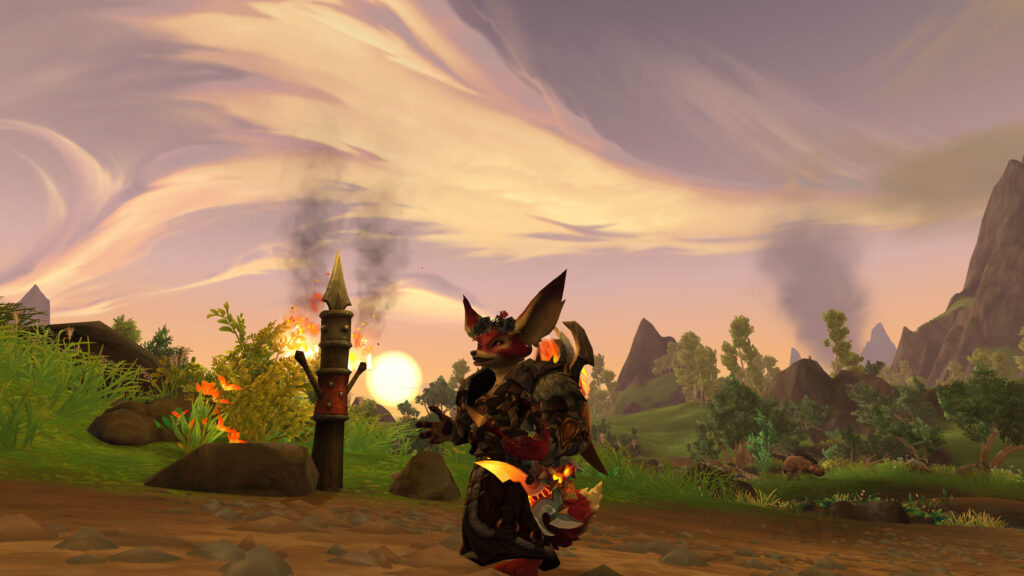
This approach aims to reduce the Content Delivery Consistency Metric risk by focusing efforts on fewer, more polished features. If successful, this shift justifies a more sustainable development pace, prioritizing long-term Internal Staff Health Index stability over short-term revenue gains.
Development Cycle Consequences Matrix
| Expansion Cycle | Content Delivery Consistency Metric | Post-Launch Deficit Score | Justification Assessment |
|---|---|---|---|
| Warlords of Draenor (2 Years) | Low (Major Content Cuts) | Extreme (Content Drought) | Functionally Unjustified Speed |
| Legion (Slightly Longer Cycle) | Moderate (Systems Reworked Later) | Moderate (Artifact Grind) | Justified Improvement via Time |
Conclusion: Speed Compromises Quality
The history of WoW’s development cycles confirms that rigid time constraints lead to a low Content Delivery Consistency Metric and excessive internal friction.
The failure of complex systems at launch is directly traceable to insufficient development time. The only sustainable path forward, justified by both product quality and Internal Staff Health, requires breaking the strict two-year rhythm and prioritizing the full polish of core systems before official launch.