
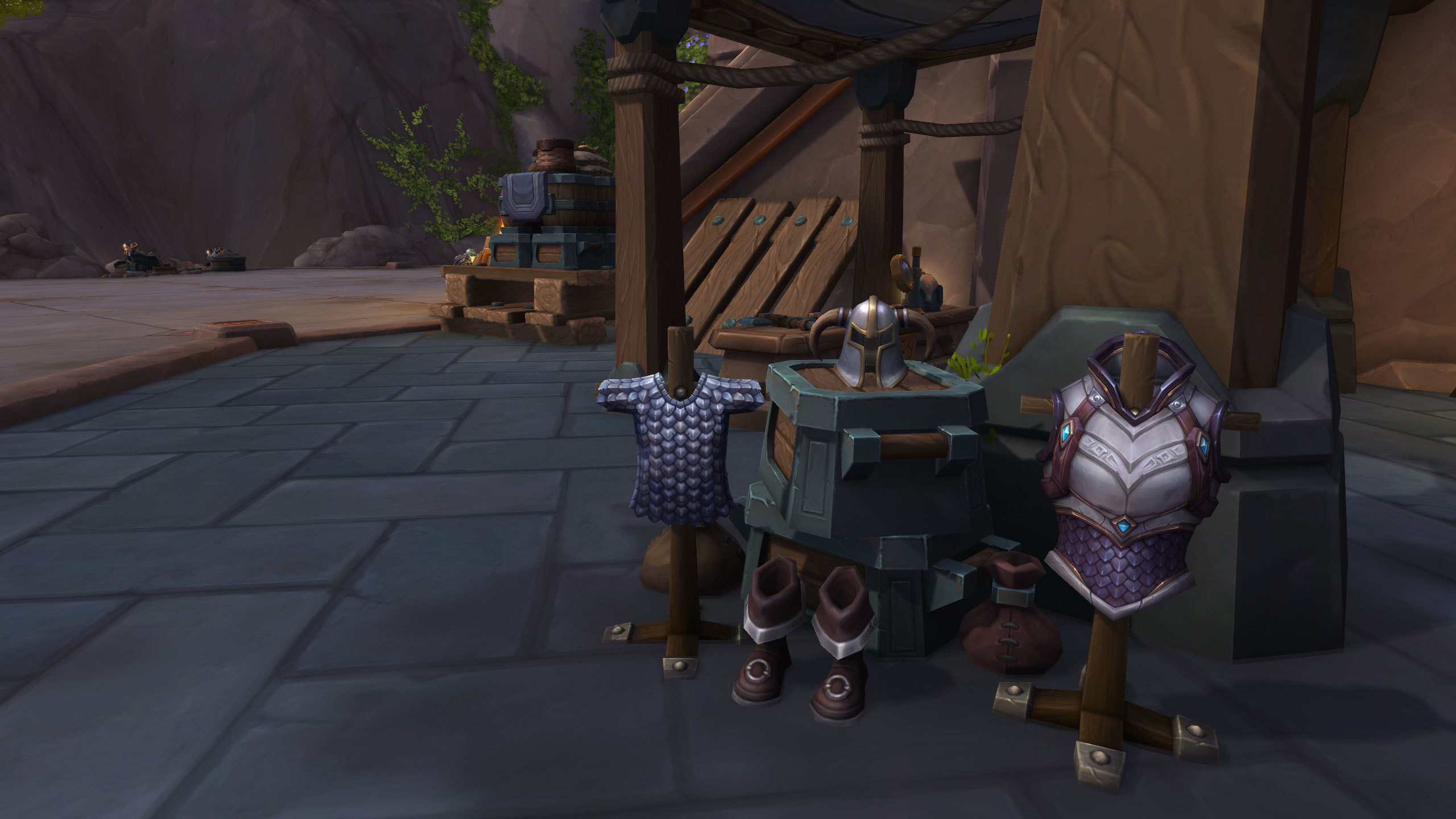
In the modern World of Warcraft economy, true gold maximization often relies not on current expansion drops, but on leveraging the scarcity and unique demand for materials and recipes from legacy expansions (Old World content). Certain professions, particularly those tied to unique cosmetic items or mandatory consumable components, offer significantly higher Time Investment Return compared to traditional current-content farming. This analysis identifies the most economically justified legacy professions based on Auction House Value Persistence and Recipe Rarity Metrics.
This report quantifies the justification for legacy profession investment based on Auction House Value Persistence and Recipe Rarity Metrics.
Evaluation Criteria: Auction House Value Persistence, Recipe Rarity Metric, and Material Acquisition Complexity
Legacy professions are evaluated using three weighted criteria. First, Auction House Value Persistence measures the stability of the final product’s selling price over a period of 12+ months, prioritizing items that do not suffer from expansion inflation.

Second, Recipe Rarity Metric quantifies the difficulty of acquiring the specific pattern/design, favoring those locked behind extremely difficult or time-consuming drops. Third, Material Acquisition Complexity assesses the ease of farming or purchasing the necessary ingredients. High Value Persistence is the core economic justification.
Tailoring: Apex of Transmog and Rarity
Tailoring excels due to its high Recipe Rarity Metric and consistent Auction House Value Persistence. Specific cloth recipes from Vanilla and Burning Crusade—particularly those used for unique, non-recolored transmogrification appearances (e.g., Mooncloth Robes, bags)—maintain exceptional value. The justification for Tailoring is that the demand for cosmetic goods is non-inflationary and cross-expansion, ensuring that the initial investment in farming the rare pattern yields sustained, high Time Investment Return.
Engineering: Exclusive Utility and Material Demand
Engineering offers unique economic justification through utility items. Products like the Jeeves repair bot or the various teleporters are permanently desirable due to their Functional Utility in solo and group content.
While the initial Recipe Rarity Metric for some schematics is high, the sustained demand ensures high Auction House Value Persistence. Furthermore, Engineering often requires specific, high-demand ores and volatile elements, justifying the simultaneous investment in gathering professions.
Alchemy: Consumable Stability and Low Complexity
Alchemy, while less focused on rare recipes, maintains strong Auction House Value Persistence through consumables like pre-potion flasks and specific Old World utility potions (e.g., Free Action Potion).

The Material Acquisition Complexity is typically moderate, ensuring easy mass production. Alchemy’s economic justification is rooted in reliable turnover and the necessity of its products for legacy content runners (time walkers, old raid clears), providing a stable income stream rather than high-spike profit.
Legacy Profession Profitability Matrix
| Legacy Profession | Auction House Value Persistence | Primary Profit Source | Economic Justification |
|---|---|---|---|
| Tailoring | Extreme (Vanity/Transmog) | Rare Patterns and Bags | Fully Justified Cosmetic Demand |
| Engineering | High (Unique Utility Items) | Repair Bots, Teleporters | Justified Functional Exclusivity |
Conclusion: The Value of Scarcity and Vanity
The most valuable legacy professions for gold farming are those that maximize Auction House Value Persistence through the creation of unique, permanent cosmetic goods (Tailoring) or non-replaceable utility items (Engineering).
The economic justification for investing time in legacy content lies in the fact that demand for vanity and convenience products is infinitely less volatile than the inflation-ridden market for current-expansion combat consumables.