
Azeroth, Written Down One Evening at a Time
A World of Warcraft journal about old-world caves, raid nights, rare drops and the small routines that keep a long-running character fun to log into.

Fresh From the Journal
-
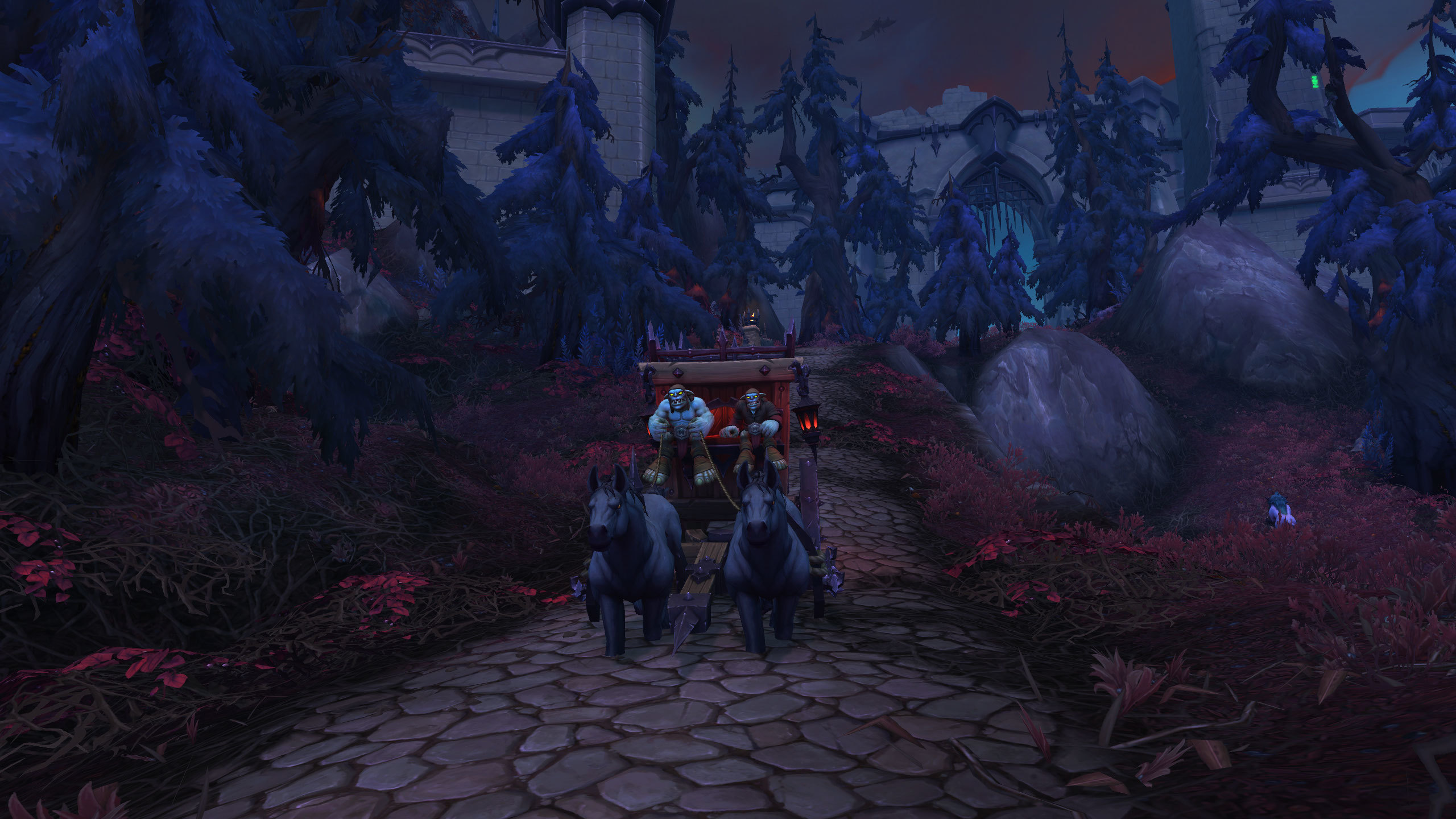
A History of WoW’s Development Cycle: Analyzing the Time Constraints and Crunch Periods
The development cycle of World of Warcraft expansions has historically been defined by rigid two-year release schedules, resulting in predictable patterns of extensive ‘crunch’ periods and rushed content releases. This analysis examines the functional consequences of adhering to such strict…
-

Combat Readability Separating Clean Attempts From Chaos
Clean encounters feel calm even under pressure. The difference often lies not in difficulty, but in readability. When information is clear, players act with confidence. When it is not, chaos quickly follows. This article explores how combat readability separates clean…
-

Buy WoW Classic Gold for Faster Leveling, Stronger Gear, and Smooth Runs
Introduction: Why Players Buy WoW Classic Gold for Faster Progress WoW Classic moves at a slow pace, and many players feel the pressure of long farming sessions, expensive skills, and weak starter gear. Leveling takes time, travel is slow, and…
-

The Science Behind RNG: Why Random Drops Still Hook WoW Players
Every adventurer in World of Warcraft knows the thrill of that moment—the boss falls, the chest opens, and the screen flashes with possibility. It’s the heartbeat of the MMO experience: RNG, or Random Number Generation. Though players joke about its…
Short Evenings, Long Azeroth: Spending Your Hours on Purpose
The weekly list that never quite ends
Most of us do not play WoW the way the trailers imagine. We log in after work, with maybe ninety minutes before the day catches up with us, and the first thing waiting is a list. Weekly quests, a dungeon or two for the vault, a profession cooldown, a few world events that only make sense this week. None of it is bad on its own. The trouble is that the list is the same shape every seven days, and it is easy to spend a whole evening ticking boxes without ever doing the thing that made you reinstall the game.
I keep a paper notebook next to the keyboard for exactly this reason. Not a spreadsheet, just a page per week with three lines: what has to happen, what would be nice, and what I actually want to do. The third line is usually the shortest, and it is the one that tells me whether the week went well.
Counting where the evening actually goes
Try this for a fortnight. Write down, roughly, how long each chunk of a session takes: travelling, queueing, repeating a familiar dungeon, clearing the same daily hub, sorting bags. Most players who do this are surprised. Queue time and repetition eat far more of the evening than the exciting encounters do, and the exciting encounters are the reason we play.
Once the numbers are on paper the question changes. It stops being how to squeeze in more and becomes which chunks deserve my attention and which only need to get done. That distinction is the whole point of this article.
Where a WoW Boost fits into a busy week
Some players hand the repetitive parts of the week to other people, and a WoW Boost is the common name for that arrangement: an experienced group clears a piece of content with you or for you, so your own hours go to something else. It is not for everyone, and it is not a replacement for learning your class. It is simply one tool among many, in the same drawer as addons, a tidy interface and a regular raid team.
The sensible way to think about it is the same as any other time-saver. If a dungeon wing has become pure routine for you, and you would rather spend that hour exploring a zone you have never walked, then handing over the routine can be a fair trade. If the dungeon is the fun part, keep it. I have written about both sides in the journal, including a look at how people choose helpers for group content, so you can read other opinions before deciding anything.
Keeping the good parts for yourself
Whatever you automate or delegate, there are parts of WoW that stop being WoW if somebody else does them. My own short list looks like this:
- First visits to a new zone, because you only get to be surprised once.
- Learning a raid encounter with a group you like, wipes and all.
- Collecting runs where the story of the hunt is half the reward.
- Profession work you enjoy, such as crafting a set piece for a friend.
- Quiet exploration with no goal at all, which is how most of my favourite screenshots happened.
Notice that none of these are efficient. They are the reason to be here, so protect them.
A rhythm that survives a busy month
A weekly routine only works if it bends. I split my sessions into three kinds. A maintenance evening handles the list in one sitting, with music on and no ambition. A project evening picks a single goal, such as one mount, one transmog piece or one zone achievement, and ignores everything else. A free evening has no plan whatsoever. Most weeks get one of each, and busy weeks get a short maintenance night and a free one.
The addons I lean on to keep maintenance nights short are collected on the farming addons page, and if you are returning after a long break, the start here page suggests where to begin reading.
What to do with the hours you get back
Hours saved are only worth something if they go somewhere. Pick a destination before you need it: a dungeon from an older expansion you never saw, a lore thread that has been nagging at you, a fishing spot with a view. Azeroth is a very large place, and most of it is more interesting than the weekly list.
If you try any of this, I would like to hear how it goes. The contact page has my e-mail, and the editor page explains who is typing all this at midnight with a cold coffee.