In World of Warcraft (WoW), every great villain needs an unforgettable look. Beyond their power and cunning, a truly iconic antagonist has a wardrobe that screams “final boss”—a design that is intimidating, unique, and instantly recognizable. These are the looks that define an expansion, evoke fear, and make players eager (or terrified) to face them. This guide delves into the ultimate “villain” wardrobe, breaking down the elements that make a character’s appearance scream final boss. It’s about understanding the visual language of evil, identifying the design choices that convey immense power and menace, and appreciating the artistry that transforms a character model into an unforgettable force of darkness.
Exaggerated Silhouettes and Imposing Scale
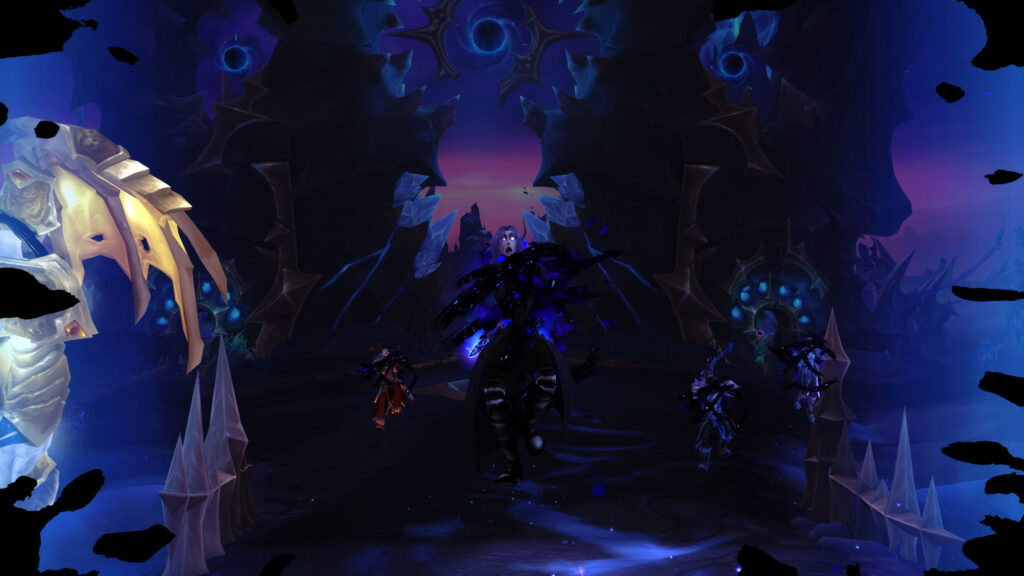
A final boss must always look larger than life, even if they are not physically huge. This is achieved through exaggerated silhouettes. Think of massive, jutting shoulders, flowing capes that seem to defy gravity, or helmets with towering horns or complex crown-like structures. These elements create a powerful, non-human outline that immediately sets them apart from ordinary characters.
The overall scale and proportion are also key. Even a humanoid boss can appear incredibly imposing if their armor is designed to make them look broader, taller, or more monstrous. This exaggeration communicates immense power and a formidable presence, making the boss feel like a true, insurmountable challenge. Their silhouette alone should inspire awe and a sense of dread.
Dominant, Menacing Color Palettes
The color palette of a final boss’s wardrobe is crucial for conveying menace. Dark, deep colors like obsidian black, blood red, grim purple, or sickly green are common. These are often contrasted with sharp, piercing accents of glowing fel green, icy blue, or burning orange, which hint at their destructive powers. Avoid bright, cheerful, or pastel colors.
These dominant, menacing colors immediately associate the villain with darkness, corruption, or raw, dangerous magic. The accent colors draw the eye to specific points of power, like glowing eyes or magical weapons. A cohesive and consistently dark color scheme ensures that the villain’s look screams “evil” and foreboding, reinforcing their role as a powerful force of destruction.
| Design Element | What It Screams | Example Visuals | Iconic Villain Example |
|---|---|---|---|
| Exaggerated Silhouette | Imposing, Larger Than Life. | Massive shoulders, flowing capes, towering helmets. | Lich King, Archimonde. |
| Menacing Color Palette | Darkness, Corruption, Dangerous Magic. | Obsidian black, blood red, fel green glow. | Gul’dan, Sylvanas (dark ranger form). |
| Sharp Angles & Spikes | Aggression, Brutality, Danger. | Jagged armor, clawed gauntlets, horned helmets. | Illidan (demonic form), Deathwing. |
| Unique Weapon/Artifact | Source of Power, Signature Element. | Frostmourne, Sargeras’s Blade. | The Lich King, Argus the Unmaker. |
| Visible Corruption/Mutation | Source of Evil, Transformation, Deformity. | Demonic features, glowing veins, necrotic flesh. | Kel’Thuzad, Yogg-Saron. |
Sharp Angles, Spikes, and Jagged Armor
A villain’s wardrobe rarely features smooth, flowing lines (unless it’s an elegant, deceptive evil). Instead, it’s dominated by sharp angles, aggressive spikes, and jagged, broken armor plates. These elements convey brutality, danger, and a willingness to inflict harm. They make the villain look physically imposing and literally “sharp.”
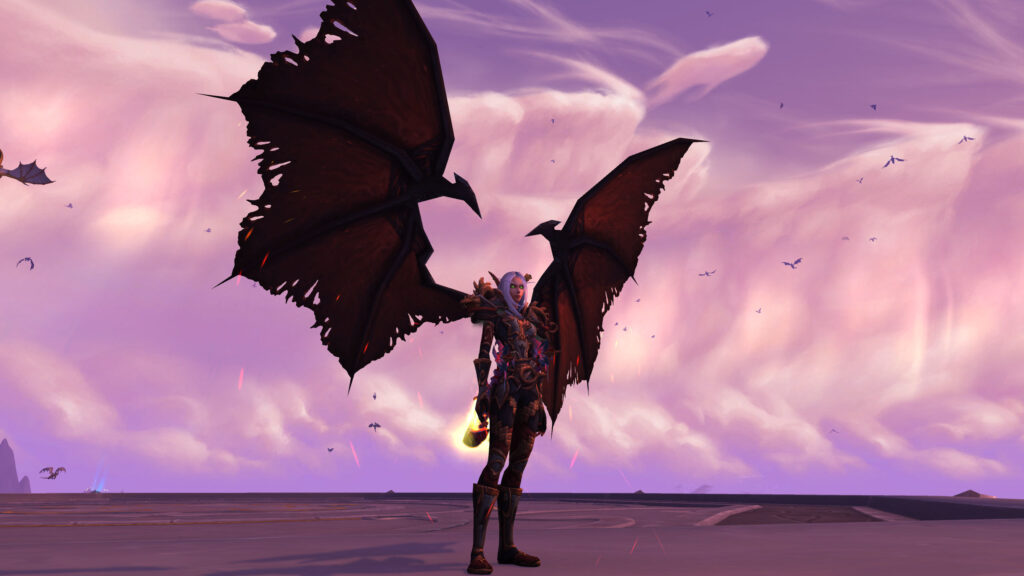
Spikes on shoulders, razor-sharp gauntlets, or torn, ragged fabrics all contribute to an aura of menace. They suggest a character who is not afraid to destroy and who views combat as a brutal exchange. This design language immediately tells players that this is a dangerous foe, reinforcing the idea of a formidable enemy who means business.
Signature Weapon or Source of Power
Every truly iconic villain has a signature weapon or an obvious source of power that is integrated into their look. This could be a massive, glowing sword, a staff crackling with dark energy, or visible magical effects emanating from their hands. This element is often unique and visually dominant, becoming synonymous with the villain themselves.
Think of the Lich King’s Frostmourne or Sargeras’s massive blade. These weapons are not just tools; they are extensions of the villain’s power and identity. They immediately draw the eye and underscore the immense magical or physical threat the boss poses, serving as a constant reminder of their destructive capabilities.
Visible Corruption, Mutation, or Otherworldly Features
Many final bosses incorporate elements of corruption, mutation, or otherworldly features into their design. This could be glowing runes etched into their skin, demonic horns, necrotic flesh, or unsettling physical deformities. These visual cues tell a story about their origin, their power source, or the dark path they have taken.
These elements make the villain feel distinct from player characters and often hint at a connection to dark forces. A partially transformed or clearly corrupted appearance creates a sense of unease and underscores the evil they represent. It makes them feel truly monstrous and terrifying, emphasizing their role as a powerful, non-human threat that must be stopped.
The Art of Intimidation and Unforgettable Design
The ultimate villain wardrobe is a masterclass in visual intimidation and unforgettable design. It combines exaggerated forms, menacing colors, sharp details, and iconic elements to create a character that is instantly recognized as a final boss. These designs are meant to inspire awe, fear, and a deep sense of challenge, defining entire expansions.
It’s about creating a visual statement that powerfully communicates evil and immense power. These carefully crafted appearances are what make WoW’s most iconic villains truly memorable, cementing their place in the game’s history as unforgettable forces of darkness that players eagerly (or fearfully) seek to overcome. Their look alone tells a tale of ultimate evil.